When your beloved companion starts showing signs of back discomfort or difficulty walking, the fear can be overwhelming. If you're reading this, you might have just heard the words "IVDD" from your veterinarian, and you're trying to understand what this mobility journey means for your furry family member. You're not alone in this journey.
What is IVDD?
Intervertebral Disc Disease (IVDD) is a condition where the cushioning discs between your dog's vertebrae deteriorate or rupture, potentially causing discomfort, nerve damage, and mobility issues. While it's most common in breeds like Dachshunds, Corgis, and Beagles, any dog can develop these mobility hurdles.
The most important thing to know right now: Mobility decline progresses through five distinct stages, and understanding where your dog is can help you make the best decisions for their daily care and quality of life.

The Five Stages of Mobility Loss: What to Watch For
Stage 1: Discomfort Without Weakness
What you might notice:
-
Your dog seems reluctant to jump on the couch or climb stairs
-
They may yelp when picked up or touched in certain areas
-
Stiffness in the neck or back, especially after rest
-
Hesitation to play or move as enthusiastically as usual
-
Shivering or trembling, even when it's not cold
What's happening:
The disc is causing discomfort, but your dog's nervous system is still functioning normally. They can walk, stand, and move—they just don't want to because it hurts. 
- Immediate action: Schedule a professional consultation within 24-48 hours
- Care approach: Most Stage 1 cases respond well to strict activity restriction for 4-6 weeks and managing comfort levels.
Stage 2: Mild to Moderate Weakness
What you might notice:
-
Wobbly or uncoordinated walking (ataxia)
-
Paws may knuckle over or drag slightly
-
Difficulty with balance, especially on smooth floors
What's happening:
Nerve compression is now affecting coordination and proprioception (awareness of paw placement).

Your path forward:
- Care approach: Conservative management may still be an option, but a specialist may discuss further intervention.
- Home Support: Anti-slip mats throughout your home and supportive harnesses for walks.
Stage 3: Significant Weakness, Unable to Walk Independently
What you might notice:
Your dog can move their legs but cannot support their weight.
What's happening:
Severe nerve compression is preventing normal signal transmission.

Your path forward:
- Management approach: Surgery is often discussed at this stage with high recovery potential.
- Mobility Support: Even during recovery, mobility aids like slings and properly fitted dog wheelchairs can help maintain muscle tone.
Stage 4: Advanced Mobility Loss
What you might notice:
Complete inability to move the affected limbs.
What's happening:
The spinal cord is severely compressed, though some deep nerve pathways remain intact.

Your path forward:
-
Critical window: This is often considered a time-sensitive situation for professional intervention.
-
Mobility support: A dog wheelchair isn't just about movement—it's about maintaining dignity, preventing complications, and keeping their spirit alive during the recovery window.
Cost considerations: We know this is a heart-wrenching moment where emotion meets financial reality. When exploring mobility solutions or long-term care, many veterinary hospitals offer payment plans, and organizations like RedRover Relief and The Pet Fund provide financial assistance for families navigating these challenges.
Stage 5: Complete Mobility Loss
What you might notice:
-
Complete lack of movement in the affected limbs.
-
No response to stimulation: Your dog shows no awareness when their paws or toes are firmly pinched.
-
This is considered the most advanced stage of mobility impairment.
What's happening:
The deepest nerve pathways have been significantly impacted. This represents the most serious form of spinal mobility challenge.

Your path forward:
-
Immediate Consultation: This is a time-sensitive matter that requires an immediate professional evaluation.
-
Managing Expectations: While the journey back to independent walking can be complex at this stage, every dog’s recovery potential is unique.
-
Prioritizing Quality of Life: Even if traditional walking ability is permanently altered, many dogs adapt remarkably well with the help of adaptive mobility equipment.
-
An Important Conversation: This is the time for an honest discussion with your professional care team about long-term comfort and what supported mobility might look like for your companion.
A difficult but important conversation: At this stage, you'll need to have an honest discussion with your veterinarian about prognosis, quality of life, and what recovery might look like. There's no single "right" answer—only what feels right for you and your companion.
Is This the Right Decision? Navigating the Emotional Journey
If you're reading this and your dog has just been diagnosed with IVDD or spinal issues, you might be feeling overwhelmed with questions:
-
Am I being selfish wanting them to stay mobile?
-
Is a dog wheelchair giving up on other options, or is it compassionate care?
-
How do I know if they can still have a high quality of life?
-
What if I make the wrong choice?
Here's what we want you to know: There is no single "right" path. There is only the path that honors your dog's comfort, your family's circumstances, and the unique bond you share.
Living with Mobility Challenges: Practical Realities
Creating a Supportive Home Environment
Immediate modifications:
-
Non-slip rugs and yoga mats on hard floors
-
Pet ramps or stairs to furniture
-
Elevated food and water bowls to reduce neck strain
The Vital Role of Mobility Support in Recovery and Beyond
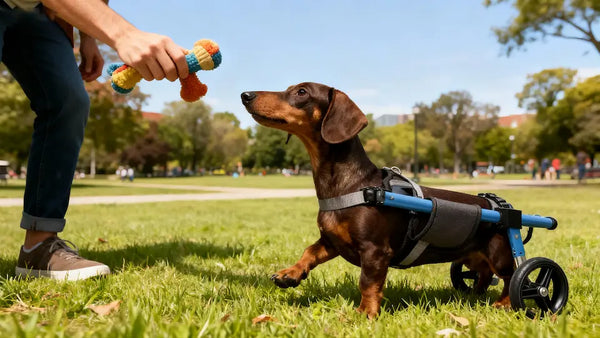
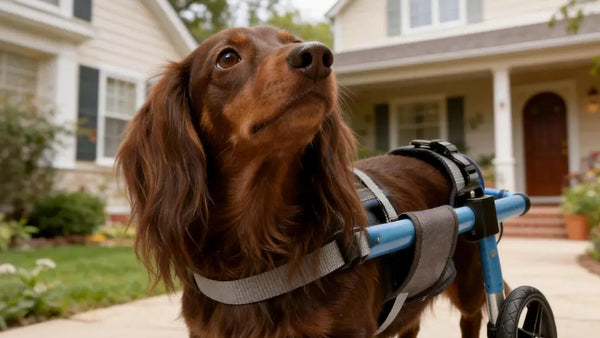
Whether your dog is navigating a period of activity restriction or adapting to permanent changes, mobility aids like dog wheelchairs serve multiple essential purposes:
Benefits During the Recovery Phase
-
Physical Preservation: Helps maintain muscle tone and prevents atrophy while your dog is unable to walk independently.
-
Skin Health: Significantly reduces the risk of pressure sores caused by prolonged immobility.
-
Rehabilitation Support: Provides the necessary stability to support physical therapy and strengthening exercises.
-
Mental Well-being: Offers vital mental stimulation and a sense of normalcy by allowing your dog to stay upright and engaged.
Benefits for Long-Term Mobility Management
-
Bathroom Independence: Restores your dog's ability to position themselves for natural bathroom breaks.
-
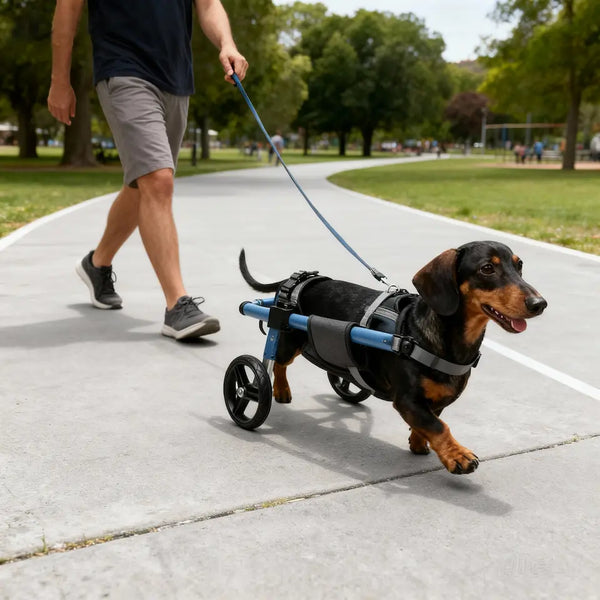
Social Inclusion: Enables your companion to continue participating in family walks and outdoor activities.
-
Holistic Health: Prevents secondary complications that often arise from long-term immobility.
-
Emotional Spark: Supports your dog's emotional health by giving them back their freedom of movement.
When to Consider Mobility Support
You might benefit from mobility aids
-
Significant Activity Loss: Your dog is experiencing advanced mobility challenges (typically associated with Stages 3, 4, or 5).
-
Extended Recovery Phase: The post-intervention recovery is taking longer than expected.
-
Conservative Care Support: Your dog’s care plan requires extended periods of rest and restricted movement.
-
Signs of Frustration: Your dog shows distress or frustration due to their limited mobility.
-
Weight Support Needs: You need assistance supporting your dog's weight to aid a safe and comfortable healing process.
What Success Really Looks Like
In our conversations with families navigating dog mobility challenges, we've found that "success" is rarely defined by perfect physical recovery. Instead, it's measured by the moments that prove your dog is still their happy self:
-
The Spark Returns: Seeing the joy return to your dog's eyes as they adapt to their new routine.
-
Outdoor Excitement: Their excitement when you reach for the leash, knowing a supported walk is coming.
-
The Happy Wiggle: The way they wiggle with joy when you come home.
-
Family Participation: Their ability to stay involved in daily family moments and activities.
-
Dignity & Independence: The independence they maintain through the use of mobility aids.
Your dog doesn't know they're "supposed to" walk on four legs. They only know whether they can explore, play, and be near you. That's what supported mobility is really protecting.
Your Next Steps: A Clear Path Forward
If You Suspect Mobility Issues:
-
Document and Observe: Record symptoms with videos and notes to show your professional care team.
-
Seek Professional Advice: Schedule a consultation immediately if you notice coordination changes.
-
Prepare Your Questions: Ask about mobility staging, care options, and long-term quality of life.
-
Explore All Options: Discuss both intensive intervention and conservative care
If You’re Navigating Recovery Decisions:
-
Clarify the Situation: Request a clear explanation of your dog’s current mobility stage.
-
Discuss Expertise: Ask about the team's experience with similar spinal health cases.
-
Plan for Post-Care: Discuss home recovery requirements and the expected timeline.
-
Inquire About Support: Ask about rehabilitation options and assistive tools.
If You're Supporting Mobility Recovery:
-
Respect the Timeline: Understand that natural healing and stabilization often take 6-8 weeks minimum.
-
Safety First: Create a strict rest protocol with guidance from your consultant.
-
Practical Management: Plan for safe bathroom breaks and how to prevent further strain or injury.
-
Consider Mobility Aids: Explore mobility support options to aid a comfortable and dignified recovery.
You're Not Alone in This Journey
The path through dog mobility challenges is rarely straightforward. There will be setbacks and small victories. There will be days when you question every decision, and moments when you see your dog's joy and know you're doing right by them.
Remember: Asking for help isn't weakness—it's wisdom. Whether that's reaching out to online communities of families facing similar spinal health hurdles, consulting with rehabilitation specialists, or exploring mobility solutions that restore your dog's independence, support is always available.
A mobility challenge doesn't define your dog's future. Your love, advocacy, and informed decisions for their quality of life do.