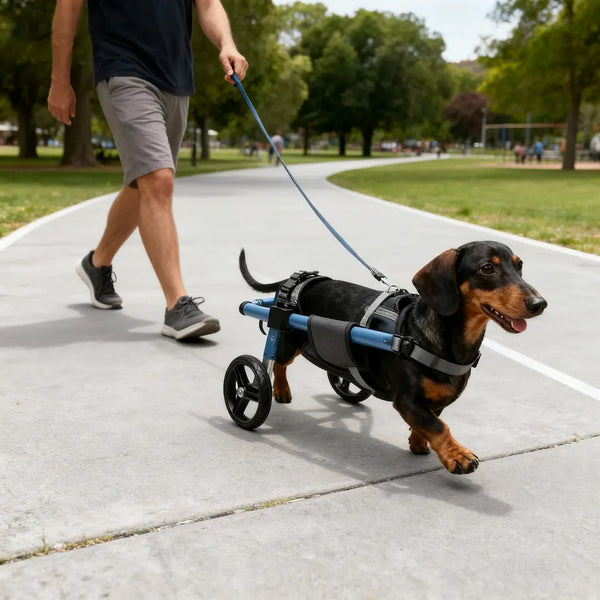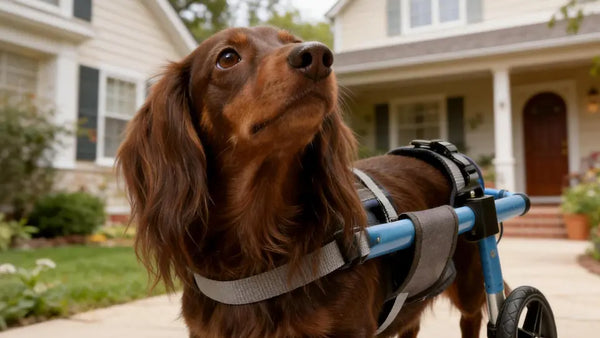
It’s heart-wrenching to watch your energetic companion struggle to stay on their feet or see their back legs lose strength. Whether it's due to the natural aging process, recovery needs, or long-term mobility challenges, seeing your dog lose their independence is incredibly difficult.
In these moments, you might feel uncertain about the next steps. However, a dog wheelchair can be a transformative tool—restoring freedom, joy, and that familiar spark to your pet and your entire family. This guide will help you navigate this decision with compassion and clarity.

Signs Your Pet May Benefit from Mobility Support
A wheelchair isn't only for pets with total loss of leg function; it serves as a vital support system for various mobility levels. Here are key signs that it might be time to consider a mobility aid:
-
Knuckling or Dragging: You notice your dog's paws scraping the ground or turning over during walks.
-
Difficulty with Transitions: Getting up from a nap or settling down has become a slow or strained process.
-
Hind Leg Unsteadiness: Their back legs appear wobbly, or they exhibit a "bunny hopping" gait to compensate for weakness.
-
Post-Surgical Support: A mobility cart can provide stable, assisted movement during the sensitive rehabilitation period.
-
Senior Dog Comfort: For older dogs managing joint stiffness or general frailty, a wheelchair helps them stay active and engaged.

When a Wheelchair May Not Be the Right Fit Yet
A wheelchair is a powerful tool, but timing matters. There are situations where it may be best to wait or explore other options first:
-
Active recovery from surgery: If your dog is in the immediate post-operative phase, strict rest is often required to allow healing. Introduce a wheelchair only after your veterinarian confirms movement is appropriate.
-
Unmanaged discomfort: If your dog is experiencing significant discomfort that hasn't yet been addressed, mobility support should come after—not instead of—proper comfort management.
-
Significant front-leg weakness: Dogs who cannot bear weight on their front legs may need a different type of support rather than a standard rear wheelchair.
-
Very low energy or disengagement: If your dog has lost interest in food, interaction, or their surroundings, consult your veterinarian first to understand the underlying cause before introducing new equipment.
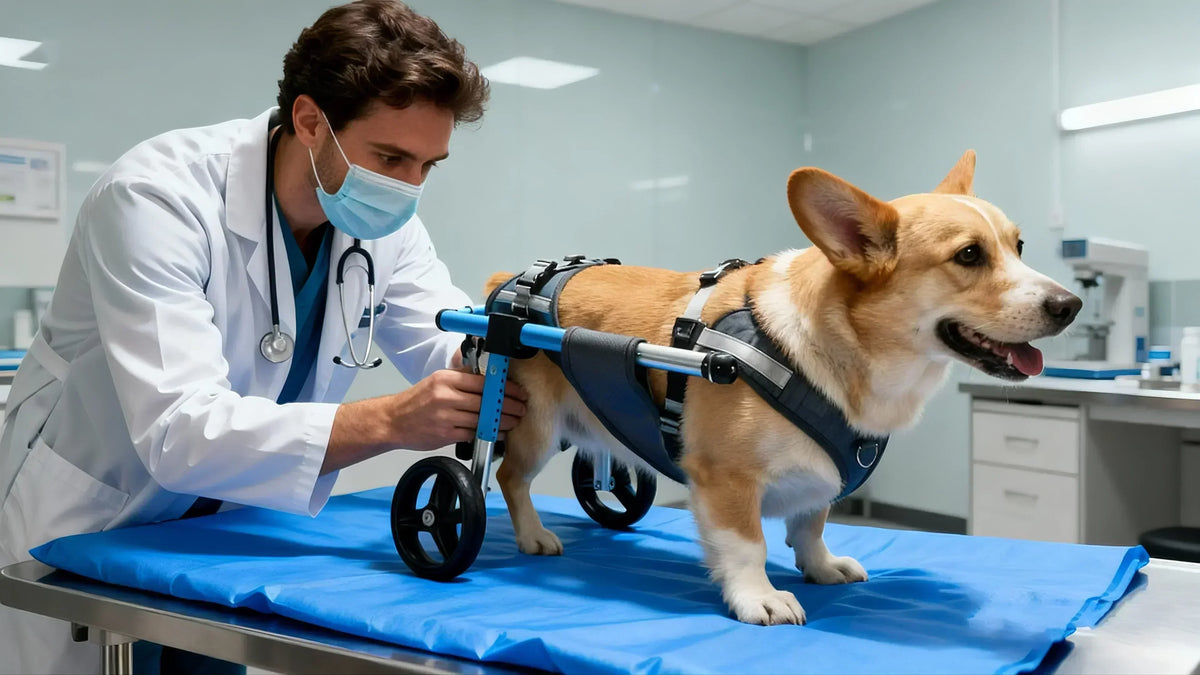
Every dog's situation is different. We always recommend discussing mobility aids with your veterinarian or a canine rehabilitation specialist before making a decision—they can assess your dog's specific condition and confirm whether a wheelchair is appropriate at this stage.
The Benefits of a Dog Wheelchair: More Than Mobility, Freedom, and Confidence
A well-fitted pet wheelchair offers benefits that go far beyond physical locomotion:
-
Restored Independence: It allows them to navigate the yard, sniff their favorite spots, and even take care of "bathroom business" on their own.
-
Emotional Vitality: Lack of movement can lead to frustration or lethargy. Regaining the ability to explore restores their happy, vibrant personality.
-
Physical Wellness: Assisted movement helps maintain existing muscle tone and keeps your dog active, which supports their overall physical condition while preventing secondary issues caused by dragging.

3 Steps to Finding the Perfect Fit
Proper alignment is essential for comfort and safety. We prioritize getting the fit right to ensure your dog feels supported, not restricted.
Step 1: Accurate Measurements
Precision is the foundation of comfort. Using a soft measuring tape while your dog is calm is the best approach. Focus on key areas: width, length, and height.
Tip: For a detailed, step-by-step tutorial with pictures and video, please visit our Get the Perfect Fit: Measuring Guide page.
Step 2: Essential Features to Prioritize
When selecting a dog mobility cart, look for these quality indicators:
-
Full Adjustability: Choose a model where height, width, and length can be fine-tuned to your dog's unique shape. This ensures the cart can adapt if their needs change.
-
Lightweight Durability: An aluminum frame offers the strength of a heavy-duty tool without the weight, making it easier for your dog to maneuver.
-
Breathable Comfort: Look for padded, moisture-wicking harnesses to prevent chafing during longer adventures.
Step 3: A Patient Introduction
Introduce the wheelchair in a positive, low-stress environment. Start with short indoor sessions paired with plenty of praise and high-value treats. Let them acclimate to the feel of the frame before heading outdoors. Most dogs begin to adapt within a few days once they discover the freedom their new wheels provide.
Tip: For a successful transition, consistency is key. We’ve developed a comprehensive 7-Day Adaptation Plan: The First Week in Wheels to guide you through a day-by-day acclimation process, ensuring your dog feels confident and secure every step of the way.
Conclusion: A New Chapter Together
Choosing a wheelchair is a profound gesture of care. It’s a way of telling your best friend that while their journey is changing, you are committed to being by their side for every new step.
At Pei’s Corner, we specialize in helping pets regain their stride. If you have questions about sizing or which model fits your lifestyle, our team is ready to provide personalized support.
Ready to see them run again? Explore Our Dog Wheelchairs and find the perfect fit for your dog’s next adventure.